Ritual & Intention
Choosing Between Sativa, Indica, and Hybrid
A thoughtful look at sativa, indica, and hybrid as a language for intention, helping guide moments without defining outcomes.

Choosing Between Sativa, Indica, and Hybrid Hemp Flower
Walk into any hemp retailer and you'll see products labeled "sativa," "indica," or "hybrid." But what do these categories actually mean? And more importantly, how should they guide your choice of hemp flower?
The truth is more nuanced than most people realize. While these classifications provide a useful starting point, they're influenced by marketing as much as botany. To truly choose the right hemp flower for you, you need to understand both the history of these categories and the real science behind why different strains produce different effects.
This guide will break down the sativa/indica/hybrid framework, explore what research actually tells us about hemp effects, and—most importantly—teach you how to find strains that work specifically for your needs and preferences.
The Sativa/Indica/Hybrid Framework Explained
The distinction between sativa and indica hemp started over 200 years ago with cannabis botanists trying to classify the plant based on physical characteristics. Today, it's become a shorthand consumers use to predict effects, even though the science is more complex.
A Brief Historical Context
In the 1700s, Swedish botanist Carl Linnaeus identified "Cannabis sativa," the tall, thin-leafed varieties. Later, botanists identified "Cannabis indica," the shorter, broader-leafed varieties from the Indian subcontinent. These were originally classified based purely on physical appearance and geographic origin, not chemical composition.
For decades, these distinctions made sense. Sativas grew tall in equatorial regions with long growing seasons. Indicas stayed short and hardy in harsh mountain climates. The physical differences seemed meaningful.
What we've learned over time is that these physical traits don't perfectly predict chemical composition or effects. A tall plant with thin leaves doesn't necessarily produce uplifting effects, and a short plant with broad leaves doesn't necessarily produce sedating effects.
The Reality Beyond the Labels
Modern hemp science has shown that the sativa/indica distinction is more marketing convenience than botanical reality. Here's why: virtually all hemp strains grown today are hybrids that have been crossed and recrossed over generations. Pure sativas and pure indicas are rare.
More importantly, what actually determines the effects of hemp isn't primarily its physical appearance—it's the specific cannabinoids and terpenes present in the plant. Two strains labeled "indica" can have completely different chemical profiles and produce notably different experiences.
That said, the sativa/indica/hybrid framework does have some practical use. It reflects general tendencies that breeders have selected for over time. Strains with "sativa" genetics have often been bred to develop more energizing qualities, while "indica" strains have been bred for relaxing qualities. The problem is that this is a useful generalization, not a scientific law.
What Research Says About Hemp Effects
If sativa/indica classifications aren't perfectly predictive, what does determine how hemp affects you? The answer lies in cannabinoids and terpenes—and the complex interplay between them.
Cannabinoid Profiles: Beyond THC
You already know that hemp contains THCA (tetrahydrocannabinolic acid), which converts to Delta-9 THC when heated. But hemp contains dozens of other cannabinoids too: CBD, CBG, CBN, CBC, and many more. Each has different properties and affects your experience.
Most research on hemp effects has focused on THC and CBD, and how their ratio influences the experience. Generally: higher THC strains tend to produce stronger effects; higher CBD content tends to mellow or modulate effects; a balanced ratio might offer a middle ground.
But the full cannabinoid profile matters too. A strain high in CBN (cannabinol) might feel more sedating. A strain with elevated CBG (cannabigerol) might feel clearer or more alert. The emerging science suggests all these compounds work together in what's called the "entourage effect"—they interact and modify each other's effects.
Terpenes: The Real Game-Changer
Here's where hemp science gets really interesting: terpenes may matter more than you think. Terpenes are aromatic compounds found in hemp (and many other plants like pine, lemon, and lavender). They're responsible for how hemp smells and tastes. But they also seem to influence how hemp affects you.
For example:
- Myrcene (earthy, herbal) is the most abundant terpene in hemp. High-myrcene strains tend to feel more relaxing and body-focused. It may enhance the sedating properties of cannabinoids.
- Limonene (citrus, bright) is known for uplifting and mood-enhancing properties. High-limonene strains often feel more energetic and creative.
- Linalool (floral, lavender) is known for calming properties. You'll find it in high concentrations in lavender essential oil.
- Caryophyllene (spicy, black pepper) may have anti-inflammatory and grounding properties. It's the only terpene that also acts as a cannabinoid.
- Pinene (pine, fresh) is known for clarity and focus. High-pinene strains often feel more alert.
- Humulene (woody, hoppy) is found in hops and may have appetite-suppressing and anti-inflammatory effects.
This is where the sativa/indica generalization actually holds some truth: sativa-leaning strains often have higher limonene and pinene (uplifting terpenes), while indica-leaning strains often have higher myrcene (relaxing terpene). But this is a tendency, not a rule.
The Entourage Effect
The "entourage effect" is the theory that cannabinoids and terpenes work together to create the overall experience, rather than each working independently. In other words, the whole is greater than the sum of its parts.
A strain with high THC but also high myrcene and linalool might feel more relaxing than you'd expect from the THC percentage alone. A strain with moderate THC but high limonene and pinene might feel more uplifting and energetic.
This is why two strains from different breeders with similar THC percentages can feel completely different—their terpene profiles are different. And it's why looking only at THC percentage isn't enough to predict your experience.
Why Individual Variation Matters So Much
There's one more variable that no lab report can capture: you. Your own endocannabinoid system, metabolism, body composition, tolerance history, and even your mood on a given day all shape how a strain lands. Two people can share the same pre-roll from the same batch and describe genuinely different experiences.
This is why crowd-sourced strain reviews should be read as loose guidance rather than prediction. A strain that a hundred people call "energizing" might reliably make you sleepy. That's not a defect in the strain or in you—it's just how individual biochemistry works. The practical takeaway: your own notes are more valuable than anyone else's review.
Consumption Method Changes the Equation
The same strain can feel noticeably different depending on how you consume it. Inhaled hemp (flower, pre-rolls, vapes) typically comes on within minutes and tapers over a couple of hours. Edibles like gummies take considerably longer to arrive, often feel heavier in the body, and last much longer.
So a sativa-leaning strain in a vape might feel bright and clean, while a similar profile in an edible can feel surprisingly weighty simply because of how the body processes it. When you're evaluating whether a strain works for you, hold the consumption method constant—otherwise you're testing two variables at once.
Sativa-Dominant Hemp: Uplifting, Energizing, Creative
Sativa-dominant strains (60% sativa / 40% indica genetics, roughly) tend to produce more uplifting, energetic, creative effects. Not always, but often. Here's what you should know:
Typical Sativa Effects
People commonly report that sativa-leaning hemp creates:
- Mental uplift and improved mood
- Increased creativity and flow state
- Better focus and mental clarity
- More energy and motivation
- Increased sociability and chattiness
- Enhanced sensory perception
That said, individual experiences vary. Some people find sativas relaxing; others find them too stimulating. Your own neurology, tolerance, and the specific strain all matter.
Best Use Cases for Sativas
Sativa-dominant strains work well when you:
- Want to enhance creative work or problem-solving
- Are planning social activities or hanging out with friends
- Need motivation for tasks or projects
- Want to enjoy outdoor activities like hiking or walking
- Are looking for mood uplift on a cloudy or difficult day
- Want to enhance a workout or active practice
Sativas are generally better for daytime or afternoon use, though this depends on your sensitivity and the strain's specific profile.
Popular Sativa Strains Available at Ember Trees
We carry several sativa-leaning strains from trusted brands like Hometown Hero and Hye Harvest. Look for strains with terpene profiles high in limonene (citrus), pinene (clarity), or sativanol markers. Our team can recommend specific options based on what effects you're seeking.
Indica-Dominant Hemp: Relaxing, Calming, Sleep-Friendly
Indica-dominant strains (60% indica / 40% sativa genetics, roughly) tend to produce more relaxing, body-focused, calming effects—though again, individual experiences vary.
Typical Indica Effects
People commonly report that indica-leaning hemp creates:
- Deep body relaxation and physical ease
- Mental calm and reduced racing thoughts
- Reduced physical tension or discomfort
- Improved sleep quality and ease falling asleep
- A sedating or heavy feeling in the limbs and body
- Increased appetite
- Couch-lock (a strong desire to stay seated or still)
Again, individual responses vary wildly. Some people find indicas perfect for unwinding; others find them too sedating or feel groggy afterward.
Best Use Cases for Indicas
Indica-dominant strains work well when you:
- Want to wind down in the evening
- Are looking for help with sleep
- Want deep physical relaxation and tension release
- Are dealing with stress or anxiety and want to quiet your mind
- Are planning a relaxing evening with your partner or close friends
- Want to pair with restorative activities like yoga or meditation
- Need help managing physical discomfort or tension
Indicas are generally better for evening use, though timing depends on your tolerance and the specific strain.
Popular Indica Strains Available at Ember Trees
We stock indica-leaning strains from brands like Hometown Hero, Hye Harvest, and others. Look for strains with terpene profiles high in myrcene (earthy, relaxing), linalool (floral, calming), or caryophyllene (spicy, grounding). Our team can recommend specific strains based on whether you want deep relaxation, sleep support, or gentle body ease.
Hybrid Hemp: Best of Both Worlds
Hybrid strains (roughly balanced sativa and indica genetics) aim to offer a middle ground: some uplifting mental effects plus some body relaxation. In theory, hybrids give you the best of both worlds. In practice, they can vary enormously depending on the specific cross and the breeder's focus.
What to Expect from Hybrids
A well-designed hybrid might offer:
- Mental clarity plus physical relaxation
- Uplifting mood without overstimulation
- Gentle body ease without strong sedation
- Balanced energy (not too wired, not too sleepy)
- Good for most times of day depending on specific terpene profile
The key is that hybrids can be used strategically: a "sativa-leaning hybrid" will behave more like a sativa, while an "indica-leaning hybrid" will behave more like an indica.
When Hybrids Make Sense
Hybrids are ideal if you:
- Are new to hemp and want to find your baseline
- Want versatile strains you can use any time of day
- Prefer balanced effects rather than strong directional pulls
- Have varied needs (sometimes wanting energy, sometimes wanting calm)
Hybrids also work well as your "everyday" strain if you're using hemp regularly and want something consistent and balanced.
Reading Hybrid Labels Carefully
"Hybrid" on its own tells you very little. A 50/50 balanced hybrid, a 70/30 sativa-leaning hybrid, and a 70/30 indica-leaning hybrid will all be labeled hybrids, yet they can produce quite different experiences. Whenever a product specifies the lean, use that as your primary signal and treat the word "hybrid" as secondary.
When the lean isn't specified, fall back on the terpene profile. A hybrid with myrcene as its dominant terpene will almost certainly feel more relaxing than one led by limonene, regardless of what the genetics label claims. Terpenes are simply more informative than lineage marketing.
The Real Key — Terpenes and Cannabinoid Profiles
Here's the bottom line: while the sativa/indica/hybrid labels are useful starting points, the real science points to terpenes and full cannabinoid profiles as the true determinants of effect.
Reading a Product's Lab Results
Every product sold by Ember Trees comes with a Certificate of Analysis (COA)—a third-party lab report. Here's what to look for:
- Cannabinoid Profile: Look at THCA%, CBD%, and other cannabinoid percentages. Higher THCA generally means stronger effects; CBD might mellow things.
- Terpene Profile: If available, look at the terpene breakdown. Are myrcene and linalool high (relaxing)? Is limonene and pinene high (uplifting)?
- Total Cannabinoid Content: Higher total cannabinoid content generally means more potent effects.
- Pesticide and Heavy Metal Testing: Make sure the product has passed these tests for safety.
When you're comparing two strains, comparing their lab reports is more informative than comparing their sativa/indica labels.
The Myrcene Marker
A quick shortcut: if you see myrcene listed at 0.5% or higher, that's a relaxing strain. If you see limonene listed at 0.5% or higher, that's likely an uplifting strain. This isn't a perfect rule, but it's a useful heuristic.
Whole-Plant Effects vs. Isolated Components
This is where the entourage effect becomes practical. You could theoretically extract just the THC from a strain for a pure effect. But most people find that whole-flower hemp—with all its cannabinoids and terpenes intact—creates a more nuanced, interesting, and often more pleasant experience than isolated components.
How to Experiment and Find Your Strain
Ultimately, the best strain for you is the one that actually works for your body and lifestyle. Here's how to experiment systematically:
Start with the Framework, Then Adjust
Use sativa/indica as a general starting point: if you want energy, try a sativa. If you want relaxation, try an indica. Pay attention to what actually happens. Many people are surprised to find their ideal strain doesn't match the label.
Keep a Strain Journal
For each strain you try, note:
- Strain name and terpene profile (if available)
- Time of day and setting
- How you consumed it
- Onset time and duration
- Effects felt: mental, physical, emotional
- Overall rating and whether you'd try it again
After trying 5–10 strains, patterns will emerge about what works best for you.
Isolate One Variable at a Time
When you're experimenting, try to change only one thing at a time. Test one strain in the morning, then the same strain in the evening. Try the same strain with different activities. This helps you figure out what's the strain vs. what's the context.
Pay Attention to Terpenes, Not Just Labels
Two sativa-labeled strains can feel completely different if one is high in myrcene and the other is high in limonene. Look at the terpene profile and compare to your notes about what worked before.
Consider Entourage Effects
Once you find a strain you love, try to repeat it rather than constantly chasing novelty. Your body develops familiarity with strains, and the effects often deepen over time. That said, occasional novelty keeps things interesting.
Top Strains Available at Ember Trees by Type
We carefully curate our selection of hemp flower from trusted brands including Hometown Hero, Hye Harvest, Willie's Remedy+, Haze Connect, and Dank Fil-A. Here are some popular options by category:
Popular Sativa-Dominant Strains
Look for strains labeled "sativa" or "sativa-dominant" with high limonene and pinene percentages. These tend to offer uplifting, creative effects. Our team can recommend current availability and help you choose based on your specific goals.
Popular Indica-Dominant Strains
Look for strains labeled "indica" or "indica-dominant" with high myrcene and linalool percentages. These tend to offer relaxing, body-focused effects. Ask our team for recommendations on strains that are currently in stock.
Popular Hybrid Strains
Balanced hybrids from quality breeders offer versatility. Our team can recommend hybrids based on whether you want them to lean slightly sativa or slightly indica for your particular needs.
All our strains come with full lab testing showing cannabinoid and (usually) terpene profiles. We only carry products from farms that meet our quality standards. Check embertrees.com for current availability.
How Our Brands Differ
Hometown Hero is a Texas-based operation with a strong reputation for consistency and thorough lab documentation—a solid choice if you value knowing that this month's batch will resemble last month's. Hye Harvest tends to emphasize expressive terpene profiles, which makes their flower a good fit if aroma and flavor are a large part of what you enjoy.
Willie's Remedy+ brings a wellness-forward, approachable sensibility that many newer customers gravitate toward. Haze Connect and Dank Fil-A round out the shelf with rotating selections that give returning customers something new to try without leaving the quality tier we require.
Because availability shifts with each harvest, the most reliable way to choose is to tell us what you're after—daytime clarity, evening calm, or something in between—and let us point you toward what's actually in stock and testing well right now.
Frequently Asked Questions
- If I don't like the effects of one sativa, will all sativas feel the same?
- Not necessarily. One sativa might be high in myrcene and feel quite relaxing; another might be high in limonene and feel very uplifting. The label is just a starting point. Always check the terpene profile if available, and ask our team for recommendations based on what worked or didn't work for you before.
- Does THC percentage tell me everything about potency?
- No. Two strains with 18% THC can feel very different depending on their terpene profile and full cannabinoid makeup. A 15% THCA strain with high CBD and myrcene might feel less intense than a 18% THCA strain with high limonene and pinene. Look at the full lab profile, not just the THC number.
- Can I use indica in the daytime or sativa in the evening?
- Absolutely. These are tendencies, not rules. Some people use indicas in the morning and have no issues. Others use sativas in the evening. Your individual body chemistry, tolerance, and how much you consume all matter. Experiment and find what works for you.
- What if I'm sensitive to THC and get anxious?
- Look for strains with high CBD content or lower THCA percentages. Strains with higher linalool or myrcene (calming terpenes) might feel less anxiety-inducing. Start with small amounts. Indica-leaning strains often feel less racy than sativas. Talk to our team—we're experienced in helping people find strains they can enjoy without anxiety.
- Is there such a thing as a pure sativa or pure indica?
- In modern cultivation, almost everything is a hybrid to some degree. "Pure" strains are extremely rare and usually found only in traditional growing regions. Most hemp you encounter is a cross that emphasizes sativa or indica characteristics through selective breeding, but it's not truly "pure" in a genetic sense.
- How do I know if my body just doesn't like hemp, or if I just haven't found the right strain?
- Give yourself at least 5–10 different strains and products before concluding hemp isn't for you. Try different sativas, indicas, hybrids, different products (flower vs. gummies vs. vape), different times of day. It's entirely possible that hemp genuinely isn't right for you, but it's also possible you just haven't found your strain yet.
Conclusion
Choosing between sativa, indica, and hybrid hemp comes down to understanding what these labels really mean, what the science tells us about effects, and—most importantly—paying attention to your own body's feedback.
While sativa/indica/hybrid is a useful starting framework, terpene profiles and full cannabinoid content are the real drivers of your experience. Use lab data to inform your choices, keep notes on what works, and be willing to experiment.
Ready to explore? Visit embertrees.com to browse our full selection of premium hemp flower from Hometown Hero, Hye Harvest, Willie's Remedy+, and other trusted brands. Every product comes with complete lab testing so you know exactly what you're getting. We ship to 45 states with same-day delivery in Central Texas. Let us help you find your perfect strain.
Editorial Team
Ember Trees Editorial
The Ember Trees editorial team writes about hemp, THCA, cannabis culture, and the practical realities of legal direct-ship cannabis in 2026. Posts are reviewed by the Ember Trees compliance and product teams before publication for accuracy on lab-testing, legality, and product specifics.
View profileSimilar Posts
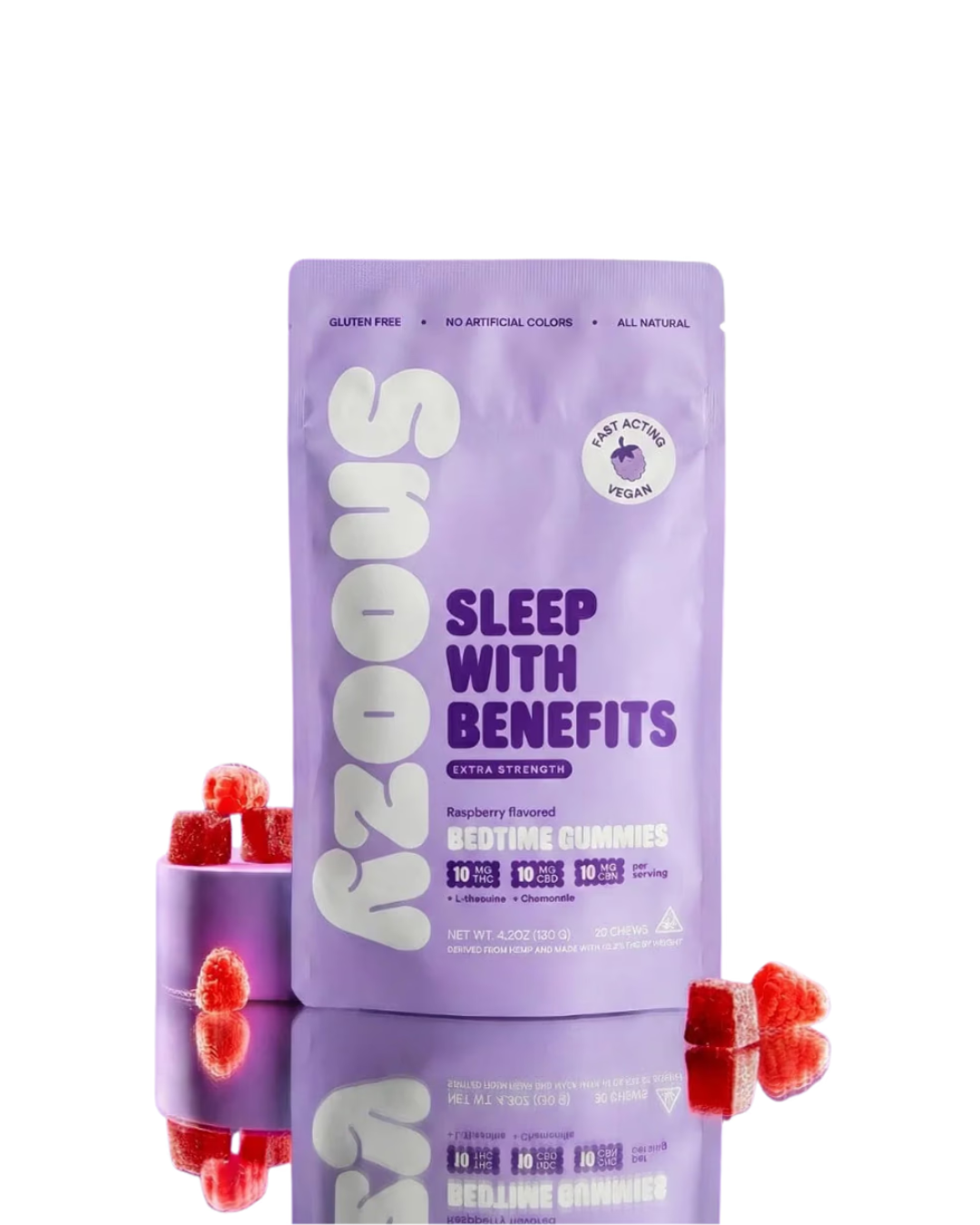
Best THC Gummies for Sleep (Melatonin-Free Options Compared)
Melatonin doesn't work for everyone. Here's how melatonin-free THC and CBN gummies work, and how to think about dosing and timing for sleep.
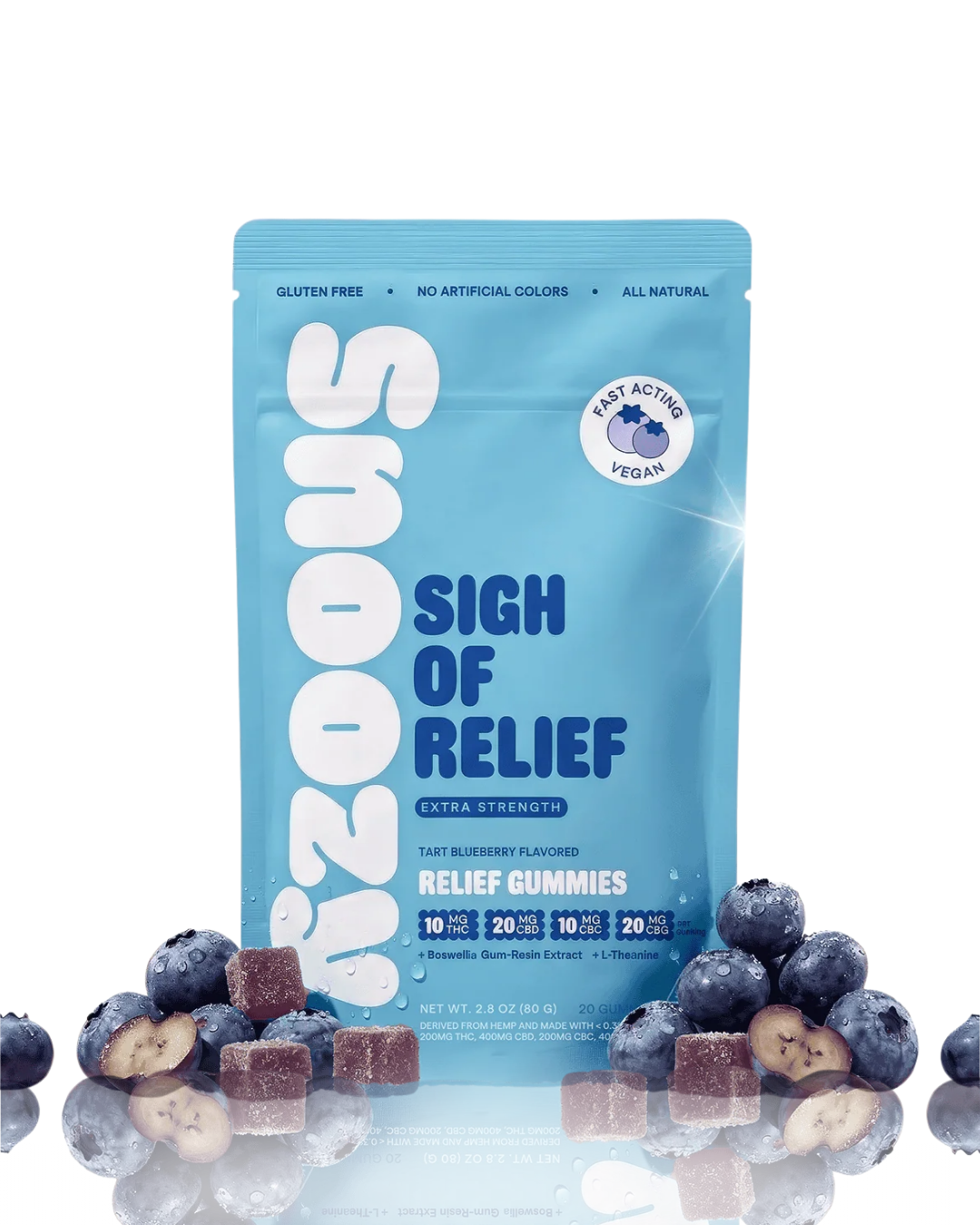
How to Pick the Right Mood Gummy: Sleep vs. Energy vs. Relief vs. Focus
A practical guide to choosing between sleep, energy, relief, focus, and intimacy THC gummies based on what you're actually trying to feel.

How to Create a Hemp Ritual
A thoughtful look at creating intentional moments with hemp: focused on purpose, presence, and setting, without rules or expectations.
- YODA Strain Guide: THCA %, Terpenes, Effects and How It Compares
- Too Cool Strain Guide: THCA %, Terpenes, Effects and How It Compares
- Toad Venom Strain Guide: THCA %, Terpenes, Effects and How It Compares
- Terp Heads Strain Guide: THCA %, Terpenes, Effects and How It Compares
- Super Boof Strain Guide: THCA %, Terpenes, Effects and How It Compares
- SkyWalker Strain Guide: THCA %, Terpenes, Effects and How It Compares
- SFV Strain Guide: THCA %, Terpenes, Effects and How It Compares
- Red Hots Strain Guide: THCA %, Terpenes, Effects and How It Compares
- PB&J Strain Guide: THCA %, Terpenes, Effects and How It Compares
- Limeade Strain Guide: THCA %, Terpenes, Effects and How It Compares
- Grape Stomper Strain Guide: THCA %, Terpenes, Effects and How It Compares
- Galaxy Runtz Strain Guide: THCA %, Terpenes, Effects and How It Compares
- Fuel Face Strain Guide: THCA %, Terpenes, Effects and How It Compares
- Don Vito Strain Guide: THCA %, Terpenes, Effects and How It Compares
- Animal Friez Strain Guide: THCA %, Terpenes, Effects and How It Compares
- thisthat CBD D9 Caramels: Flavor, Dosage, and What to Expect
- thisthat CBD Live Resin Carts & Disposables: Every Strain We Carry
- Live Resin vs. Live Rosin: A Guide to thisthat CBD's THCa Vape Line
- Snoozy Gummies Review: Every Mood Formula Explained
- THC Energy Gummies: Do They Work Without the Crash?
- THC Gummies for Intimacy: What's Actually in Them
- Best THCA Flower Strains for Sleep and Relaxation
- THCA Edibles: A Complete Guide to Hemp Gummies and Infused Products
- THCA Pre-Rolls: The Complete Buyer's Guide
- How to Smoke THCA Flower: A Beginner's Complete Guide
- THCA vs THCP: Understanding the Difference
- THCA vs HHC: What's the Difference and Which Is Better?
- Best THCA Flower Strains for Energy and Focus
- The Haze Connect: A Complete Brand Guide
- Hye Harvest Hemp: A Complete Brand Guide
- Willie's Remedy+: A Complete Guide to the Brand and Their Hemp Products
- THCA Concentrates: A Complete Guide to Wax, Diamonds, and More
- How Long Does THCA Stay in Your System?
- Best THCA Strains in 2026: A Guide to Top Hemp Flower
- Does THCA Get You High? The Complete Answer
- How to Store THCA Flower: Keep It Fresh Longer
- THCA vs CBD: Key Differences You Need to Know
- Hometown Hero Hemp: A Complete Brand Guide
- Hemp Gummies vs THC Gummies: What's the Difference?
- Same-Day THCa Delivery Round Rock, TX | For People in a Rush
- THCa Flower Delivery in Liberty Hill, TX | No Wait, No Compromise
- THCa Delivery in Cedar Park, TX | Premium Hemp Same-Day Service
- THCa Delivery in Georgetown, TX | Same-Day Hemp Delivery to Your Door
- What Are Terpenes and Why Do They Matter?
- First Time Trying THCa? Here's What to Expect
- How to Read a Hemp COA (Certificate of Analysis)
- How to Buy Hemp Safely and Legally in 2026
- The Growing Gap Between Responsible Hemp Brands and Inconsistent Practices
- Red Flags to Avoid When Buying Hemp Products Online
- Understanding THC: How Delta-9, THCa, and Related Compounds Actually Work
- Texas Hemp Rules Under Review: What the DSHS Proposal Could Mean
- What Is THCa Flower? A Guide to Hemp’s Most Discussed Cannabinoid
- Can THCa Flower Be Shipped Legally?
- Does THCa Show Up on Drug Tests?
- Why ID Verification Is Part of Responsible Hemp Retail
- Cannabis Rescheduling Is Back in the Spotlight. Here Is What Happened and Why It Matters.
- The Future of Hemp: Understanding Federal THC Policy and Texas’ Regulatory Approach
- Hemp vs. Marijuana: What’s Legal in Texas and Why the Difference Matters
- What Is Premium Hemp?
- How We Choose Our Suppliers: Inside the Ember Trees Quality Standard
- THCa vs Delta-9 vs Delta-8: Understanding the Differences and What Consumers Should Know
- Why Lab Testing Matters for Hemp Products
Enjoyed this article?
Check out more content from Ember Trees and stay informed about premium hemp products.
Browse all articlesStay Connected
Get the latest cannabis news, updates, and promotions delivered to your inbox.