Strain Guides
PB&J Strain Guide: THCA %, Terpenes, Effects and How It Compares
PB&J is an indica THCA flower that tested at 33.03% THCA and 0.115% delta-9 THC, with a myrcene-led terpene panel on its certificate. Expect nutty, dessert-like sweetness with a bright citrus lift and a soft floral finish, and a relaxed body feel that keeps the mood warm rather than sleepy.
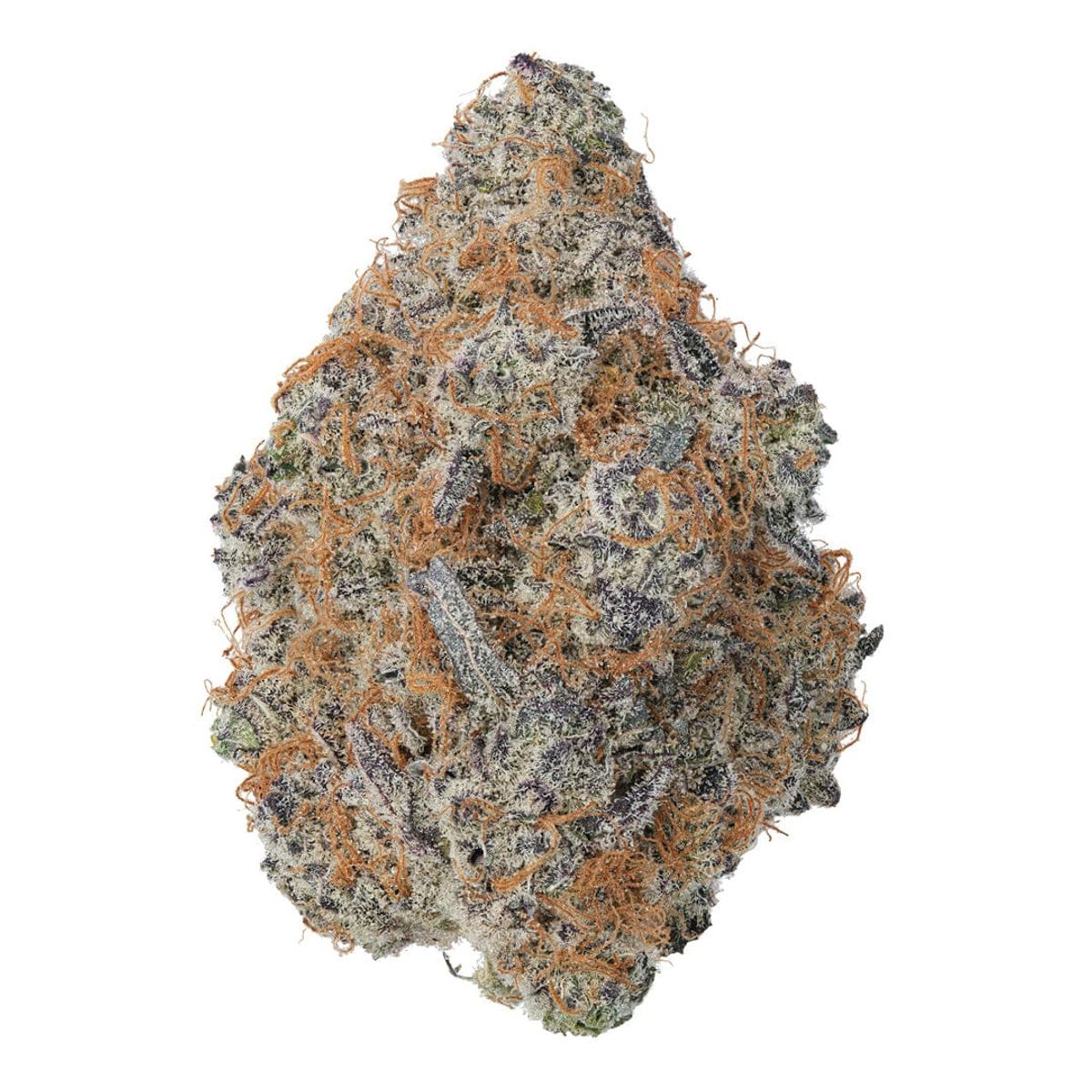
PB&J is an indica THCA flower that tested at 33.03% THCA and 0.115% delta-9 THC, with a myrcene-led terpene panel on its certificate. Expect nutty, dessert-like sweetness with a bright citrus lift and a soft floral finish, and a relaxed body feel that keeps the mood warm rather than sleepy.
This guide covers what the Cannabis Chem Lab certificate reports, what we do and do not know about PB&J’s genetics, how the measured terpenes line up with the flavor, what customers commonly report, and how PB&J compares with the other indicas on our menu. If it is between batches when you read this, the comparison section points you at the closest alternative in stock.
PB&J at a glance
- Type: indica
- THCA: 33.03%
- Delta-9 THC: 0.115%
- Lab test: Cannabis Chem Lab, tested June 2026 — batch ET-FLW-PBJ-20260831-01
- Dominant terpenes: β-Myrcene (0.50%), Limonene (0.29%), α-Humulene (0.09%)
- Product page: PB&J THCA flower (3.5 g, 7 g, 14 g and 28 g)

Lineage and genetics
The grower does not publish parentage for PB&J, so this guide does not either. The name is a flavor description, not a pedigree: the product copy describes “nutty, dessert-like sweetness with a bright citrus lift and soft floral undertones,” and that is exactly what the batch delivers. Plenty of strains share a name across growers while coming from different crosses, so we would rather describe this flower than borrow a family tree from somewhere else.
What we can say comes from the certificate. The cannabinoid side is simple, with THCA doing nearly all of the work at 33.03% and delta-9 THC at 0.115%, comfortably under the 0.3% hemp threshold. The terpene side is more telling: a panel led by β-myrcene with limonene second is the pattern you tend to see in dessert-leaning indicas, where an earthy, musky base carries the sweetness and a citrus terpene keeps it from getting heavy. Read the genetics as “classic dessert indica” and let the panel fill in the rest.
Terpene and flavor profile
| Terpene | % |
|---|---|
| β-Myrcene | 0.50% |
| Limonene | 0.29% |
| α-Humulene | 0.09% |
| Linalool | 0.08% |
| β-Pinene | 0.06% |
| α-Bisabolol | 0.06% |
| α-Pinene | 0.04% |
| Ocimene | 0.02% |
| Listed terpenes | 1.14% |
PB&J smells the way the name promises. The nose opens with a roasted, nutty sweetness, the kind of toasted note you get from peanut skins, with a jammy fruit layer underneath. Breaking a bud open releases the citrus, bright and clean, which keeps the profile from turning cloying. The floral finish is faint, more a softness on the exhale than a perfume, and the smoke is smooth and dessert-like all the way through.
The measured panel explains most of that. β-Myrcene at 0.50% is the dominant terpene, and myrcene is the earthy, musky, slightly fruity compound that gives dessert indicas their rounded base. Limonene at 0.29% is the citrus lift. α-Humulene and linalool, at 0.09% and 0.08%, add a dry herbal edge and the floral softness respectively, while the two pinenes and α-bisabolol sit under a tenth of a percent and mostly round out the finish. The product record’s copy of the panel also lists small amounts of menthol and endo-fenchyl alcohol, which may be where the clean, cool quality on the exhale comes from. Our guide to reading a hemp COA explains how to find these figures yourself.
Grinding PB&J brings the citrus forward; breaking buds by hand keeps the nutty sweetness in front. The dense, resin-rich buds break up cleanly and burn evenly.
What to expect from PB&J and when to use it
At 33.03% THCA, PB&J is a potent flower, and THCA converts to THC when heated, so the effect lands in the same range as the strongest flower we sell. What customers commonly report is a warm, settled body feel that builds over the first half hour, paired with a content, easy mood rather than a sedated one. People describe it as the indica for being comfortable, not for being out cold, which is why we tag it unwind, sleep and balance rather than sleep alone.
The best time of day is the evening, from dinner onward. It works for a relaxed night in, a long conversation or a film, and many customers do use it as a wind-down flower later on, because the body feel deepens as the night goes. It is less suited to mornings or to anything that needs sharp focus. Start with a smaller amount than you would use of a milder flower, give it time before adding more, and expect experiences to vary with the person and their tolerance. Dry mouth and a noticeable appetite are the most commonly reported side notes; keep water nearby and do not drive. If you are weighing it against our heavier options, our guide to the best THCA flower for sleep and relaxation covers the whole shelf.
How PB&J compares with other Ember Trees strains
PB&J is the sweet, comfortable middle of our indica range. Here is how it lines up against the three strains customers most often cross-shop with it.
PB&J vs. YODA
YODA is our strongest flower at 36.68% THCA, an indica with a savoury OG profile of earthy wood, pungent citrus and pine and a heavy, sleepy finish. PB&J is sweeter, a little less potent on paper and noticeably lighter in the body. Pick YODA for the hour before bed and PB&J for the evening before that. The YODA strain guide has the full breakdown.
PB&J vs. Limeade
Limeade is a 31.76% THCA indica with bright lime citrus over doughy sweetness and a vanilla finish, and its certificate shows a limonene-led panel where PB&J’s is myrcene-led. That flips the character: Limeade stays brighter and more easygoing, with no heavy finish, while PB&J settles deeper into the body. If you want dessert sweetness with a lighter touch, see the Limeade strain guide.
PB&J vs. Too Cool
Too Cool is a 31.06% THCA indica with citrus brightness, earthy sweetness and a subtle pine edge, and its panel has limonene and myrcene nearly level. It is the more savoury, grounded choice, built for slowing down without checking out, where PB&J is sweeter and a touch more relaxing. Read the Too Cool strain guide for the details.
How to order PB&J from Ember Trees
PB&J is sold as whole flower on its product page in 3.5 g, 7 g, 14 g and 28 g sizes. Ember Trees ships to 45 states by UPS; we cannot ship to Arkansas, Idaho, Minnesota, Oregon or Rhode Island. Order by 2 PM PST Monday–Friday and your order ships the same day. Orders placed after 2 PM PST, or on a weekend, ship the next business day. Choose your shipping speed at checkout — UPS Ground is free over $129, or upgrade to 2-Day or Next Day Air.
Overnight orders placed by 2 PM PST Monday–Thursday arrive the next business day. Friday overnight orders arrive Monday unless you choose “Overnight 1-Day — Saturday Guaranteed” at checkout. If that option is not listed, UPS is not offering Saturday delivery to your address that weekend.
Orders are 21+ only, with a one-time ID check at your first checkout. Every batch is third-party tested before it is listed: the certificate for this batch is at ET-FLW-PBJ-20260831-01, and every certificate we publish is in the COA library.
Availability
Small-batch flower rotates: PB&J can sell through and may return when a new batch passes testing, so its product page may show it as sold out between drops. The current lineup is always on the THCA flower menu, and this guide stays up so you can compare PB&J with what is in stock. Each batch gets its own certificate, so the numbers above describe the batch tested on the date shown.
PB&J FAQ
Is PB&J an indica or a sativa?
PB&J is an indica. The batch we carry behaves like a classic dessert indica: a warm, settled body feel with a content, easy mood rather than an energetic lift or a knockout finish.
How strong is PB&J THCA flower?
The current batch tested at 33.03% THCA and 0.115% delta-9 THC at Cannabis Chem Lab, which puts it among the more potent flowers on our menu while remaining hemp under the 2018 Farm Bill.
What does PB&J taste like?
Roasted, nutty sweetness with a jammy fruit layer, a bright citrus lift when you break the bud open, and a soft floral finish. The measured panel is led by β-myrcene and limonene, which matches that profile.
Does the PB&J COA include a terpene panel?
Yes. The Cannabis Chem Lab certificate for batch ET-FLW-PBJ-20260831-01 reports eight terpenes led by β-myrcene at 0.50% and limonene at 0.29%. You can read it at /coas/ET-FLW-PBJ-20260831-01.
When is the best time to use PB&J?
Evenings. Customers most often use it from dinner onward for a relaxed night in, and many carry it into their wind-down routine because the body feel deepens over time. It is not a morning or focus flower.
Can PB&J be shipped to my state?
PB&J is hemp-derived THCA flower with delta-9 THC under 0.3% by dry weight, and Ember Trees ships it to 45 states by UPS. We cannot ship to Arkansas, Idaho, Minnesota, Oregon or Rhode Island, and orders are 21+ with a valid ID.
Ember Trees sells hemp-derived THCA flower under the 2018 Farm Bill, with delta-9 THC at or below 0.3% on a dry-weight basis as confirmed by third-party testing of each batch; THCA converts to THC when heated. The effects described in this guide are commonly reported by adult consumers, vary from person to person and are not medical claims. These statements have not been evaluated by the FDA, and this product is not intended to diagnose, treat, cure or prevent any disease. For adults 21 and over. Keep out of reach of children, and do not drive after use.
Editorial Team
Ember Trees Editorial
The Ember Trees editorial team writes about hemp, THCA, cannabis culture, and the practical realities of legal direct-ship cannabis in 2026. Posts are reviewed by the Ember Trees compliance and product teams before publication for accuracy on lab-testing, legality, and product specifics.
View profileSimilar Posts
YODA Strain Guide: THCA %, Terpenes, Effects and How It Compares
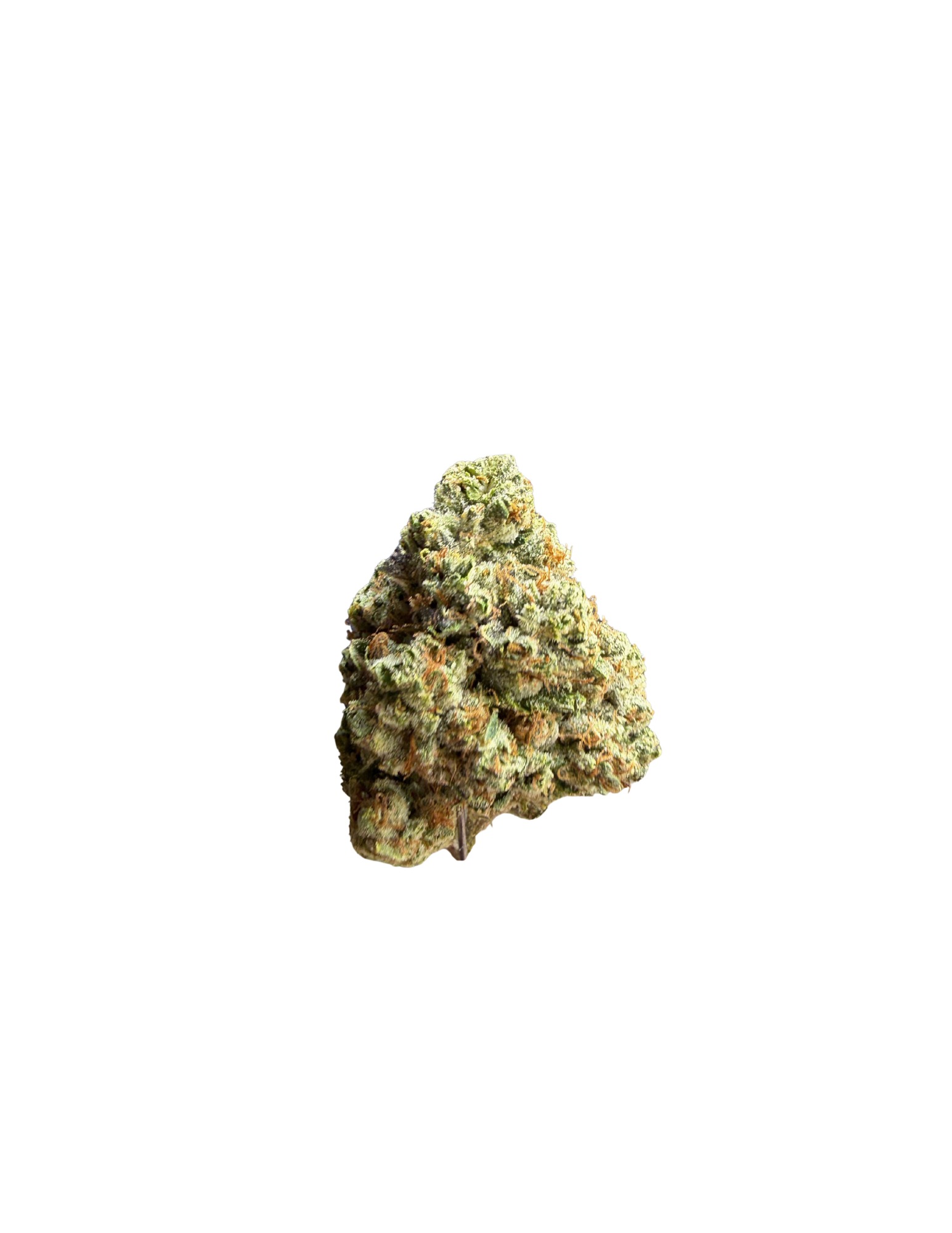
YODA is an indica THCA flower that tested at 36.68% THCA with no delta-9 THC detected, the highest THCA reading on the Ember Trees menu. Expect an old-school OG profile of earthy wood, pungent citrus and pine, and a heavy, sleepy finish built for the last hours of the day.
Too Cool Strain Guide: THCA %, Terpenes, Effects and How It Compares
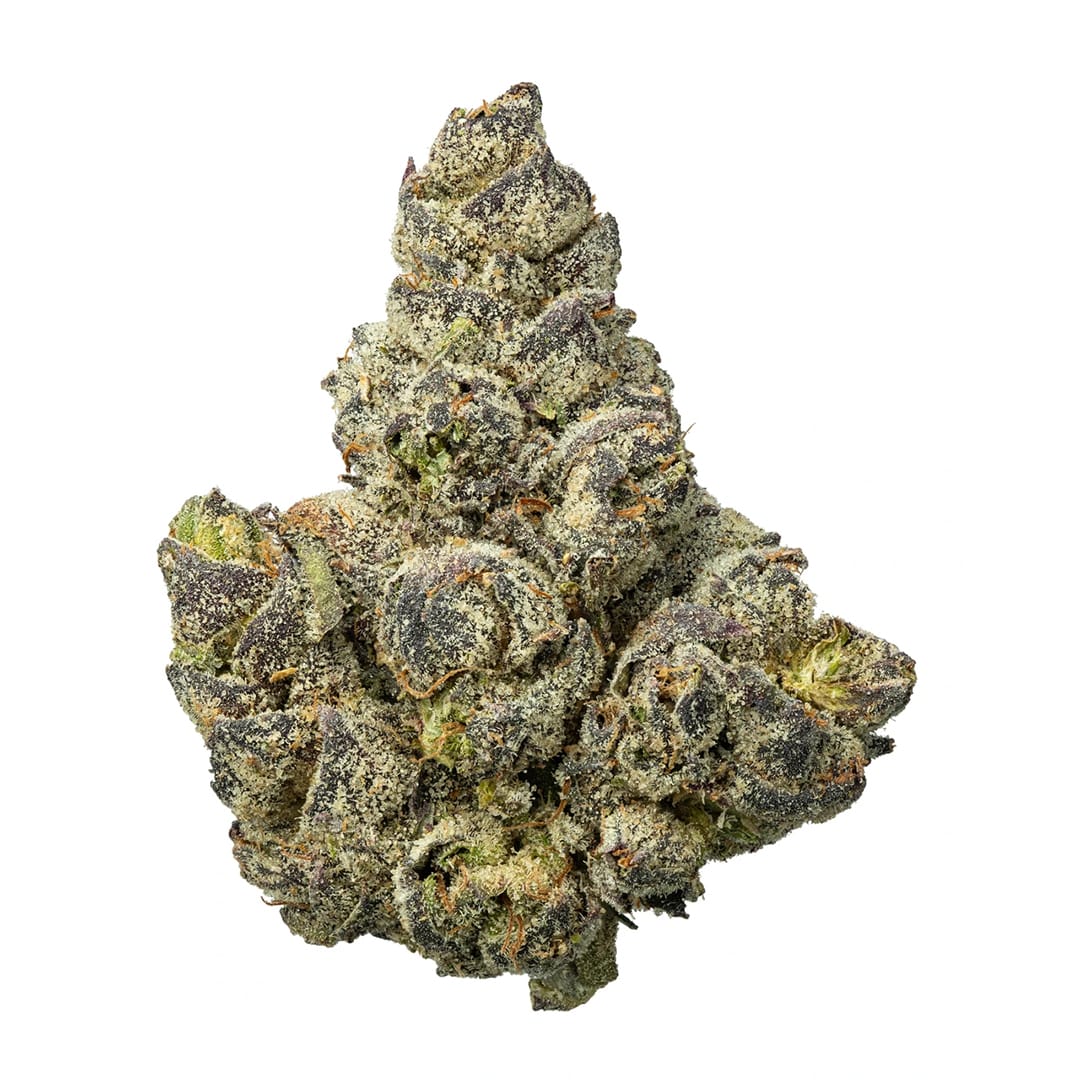
Too Cool is an indica THCA flower that tested at 31.06% THCA and 0.168% delta-9 THC, with limonene and β-myrcene nearly level at the top of its terpene panel. Expect citrus brightness over earthy sweetness with a subtle pine edge, and a grounded body feel built for slowing down without checking out.
Toad Venom Strain Guide: THCA %, Terpenes, Effects and How It Compares
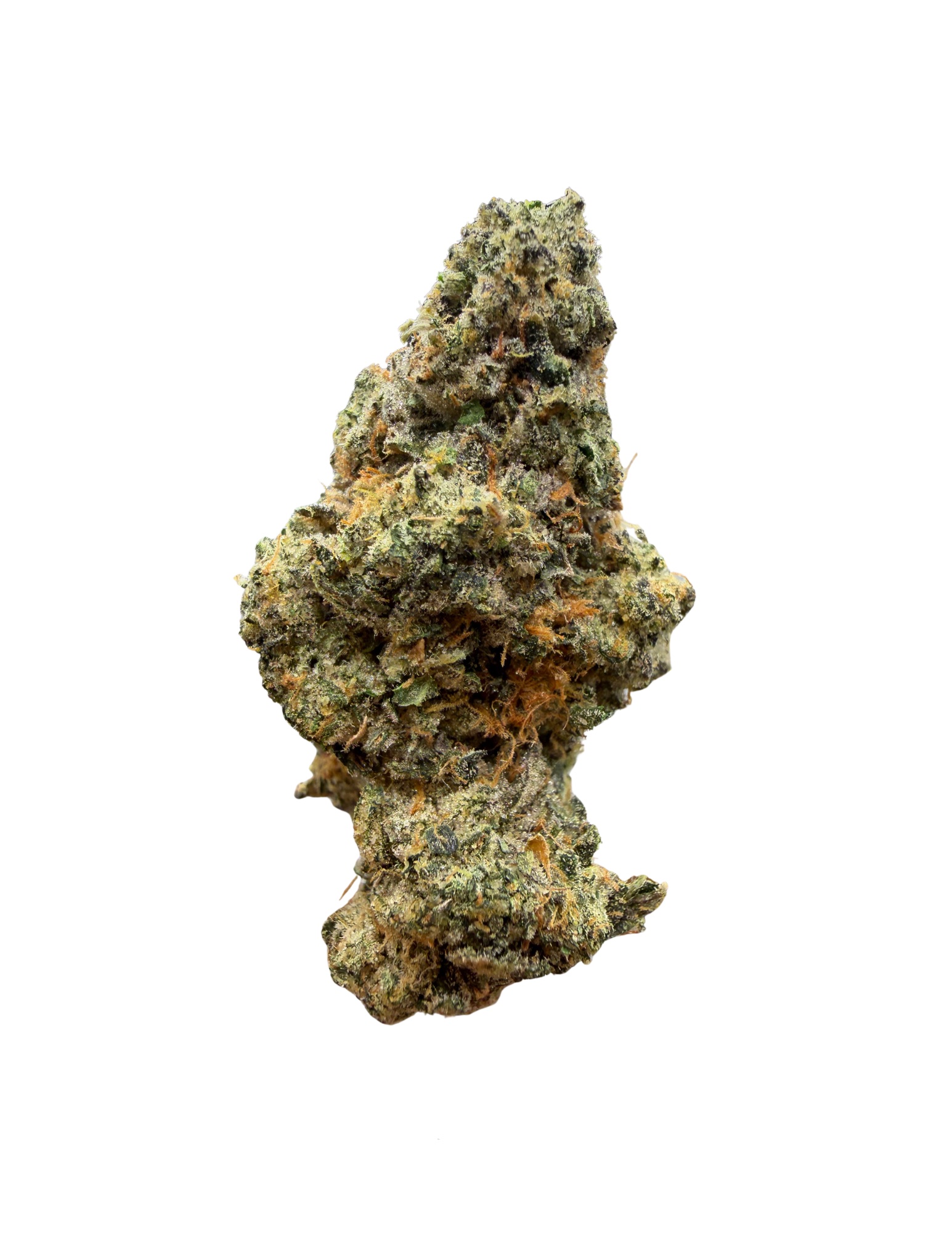
Toad Venom is a hybrid THCA flower that tested at 34.26% THCA with delta-9 THC below the lab’s limit of quantitation, among the strongest flower on the Ember Trees menu. Expect a gassy, citrus-forward nose with a cool mint finish and a balanced hybrid character suited to late afternoons and social evenings.
- Terp Heads Strain Guide: THCA %, Terpenes, Effects and How It Compares
- Super Boof Strain Guide: THCA %, Terpenes, Effects and How It Compares
- SkyWalker Strain Guide: THCA %, Terpenes, Effects and How It Compares
- SFV Strain Guide: THCA %, Terpenes, Effects and How It Compares
- Red Hots Strain Guide: THCA %, Terpenes, Effects and How It Compares
- Limeade Strain Guide: THCA %, Terpenes, Effects and How It Compares
- Grape Stomper Strain Guide: THCA %, Terpenes, Effects and How It Compares
- Galaxy Runtz Strain Guide: THCA %, Terpenes, Effects and How It Compares
- Fuel Face Strain Guide: THCA %, Terpenes, Effects and How It Compares
- Don Vito Strain Guide: THCA %, Terpenes, Effects and How It Compares
- Animal Friez Strain Guide: THCA %, Terpenes, Effects and How It Compares
- thisthat CBD D9 Caramels: Flavor, Dosage, and What to Expect
- thisthat CBD Live Resin Carts & Disposables: Every Strain We Carry
- Live Resin vs. Live Rosin: A Guide to thisthat CBD's THCa Vape Line
- Snoozy Gummies Review: Every Mood Formula Explained
- THC Energy Gummies: Do They Work Without the Crash?
- Best THC Gummies for Sleep (Melatonin-Free Options Compared)
- THC Gummies for Intimacy: What's Actually in Them
- How to Pick the Right Mood Gummy: Sleep vs. Energy vs. Relief vs. Focus
- Best THCA Flower Strains for Sleep and Relaxation
- THCA Edibles: A Complete Guide to Hemp Gummies and Infused Products
- THCA Pre-Rolls: The Complete Buyer's Guide
- How to Smoke THCA Flower: A Beginner's Complete Guide
- THCA vs THCP: Understanding the Difference
- THCA vs HHC: What's the Difference and Which Is Better?
- Best THCA Flower Strains for Energy and Focus
- The Haze Connect: A Complete Brand Guide
- Hye Harvest Hemp: A Complete Brand Guide
- Willie's Remedy+: A Complete Guide to the Brand and Their Hemp Products
- THCA Concentrates: A Complete Guide to Wax, Diamonds, and More
- How Long Does THCA Stay in Your System?
- Best THCA Strains in 2026: A Guide to Top Hemp Flower
- Does THCA Get You High? The Complete Answer
- How to Store THCA Flower: Keep It Fresh Longer
- THCA vs CBD: Key Differences You Need to Know
- Hometown Hero Hemp: A Complete Brand Guide
- Hemp Gummies vs THC Gummies: What's the Difference?
- Same-Day THCa Delivery Round Rock, TX | For People in a Rush
- THCa Flower Delivery in Liberty Hill, TX | No Wait, No Compromise
- THCa Delivery in Cedar Park, TX | Premium Hemp Same-Day Service
- THCa Delivery in Georgetown, TX | Same-Day Hemp Delivery to Your Door
- What Are Terpenes and Why Do They Matter?
- First Time Trying THCa? Here's What to Expect
- How to Read a Hemp COA (Certificate of Analysis)
- How to Buy Hemp Safely and Legally in 2026
- The Growing Gap Between Responsible Hemp Brands and Inconsistent Practices
- Red Flags to Avoid When Buying Hemp Products Online
- Understanding THC: How Delta-9, THCa, and Related Compounds Actually Work
- Texas Hemp Rules Under Review: What the DSHS Proposal Could Mean
- What Is THCa Flower? A Guide to Hemp’s Most Discussed Cannabinoid
- Can THCa Flower Be Shipped Legally?
- Does THCa Show Up on Drug Tests?
- Why ID Verification Is Part of Responsible Hemp Retail
- Cannabis Rescheduling Is Back in the Spotlight. Here Is What Happened and Why It Matters.
- The Future of Hemp: Understanding Federal THC Policy and Texas’ Regulatory Approach
- Hemp vs. Marijuana: What’s Legal in Texas and Why the Difference Matters
- What Is Premium Hemp?
- How We Choose Our Suppliers: Inside the Ember Trees Quality Standard
- Choosing Between Sativa, Indica, and Hybrid
- How to Create a Hemp Ritual
- THCa vs Delta-9 vs Delta-8: Understanding the Differences and What Consumers Should Know
- Why Lab Testing Matters for Hemp Products
Enjoyed this article?
Check out more content from Ember Trees and stay informed about premium hemp products.
Browse all articlesStay Connected
Get the latest cannabis news, updates, and promotions delivered to your inbox.